

Fire-Damaged Siding Repair in Big Sky, MT: Discontinued Profile, LP SmartSide, and a Full Paint Match
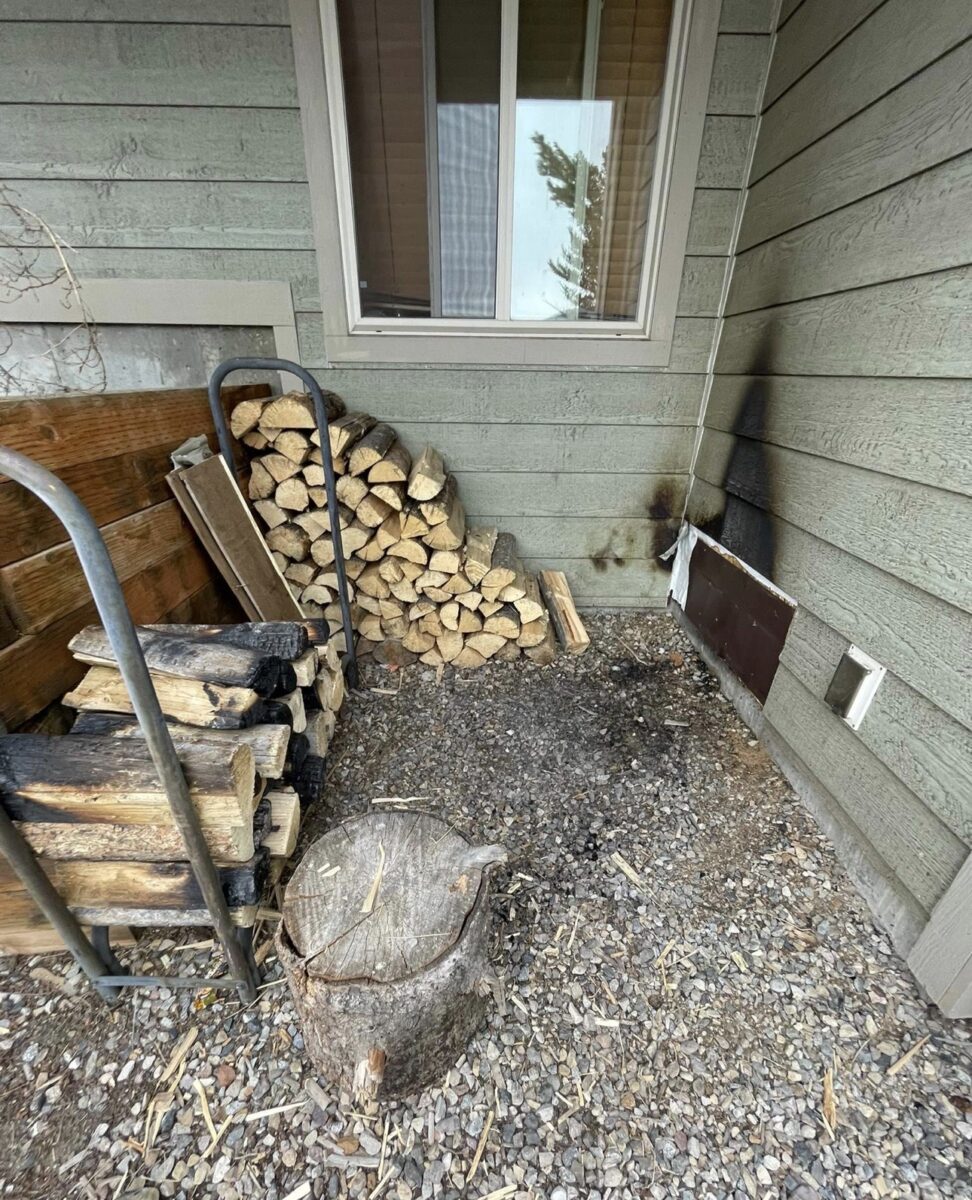
We got a call from a property manager in Big Sky about a fire damaged siding repair on a condo building. The damage wasn’t catastrophic, but it wasn’t simple either — discontinued materials, field-fabricated flashing, torn housewrap, and a paint match that required painting well beyond the damaged area. Here’s how the job came together.
How the Fire Started
A tenant had been stacking firewood against the exterior wall. An ember that hadn’t fully cooled made contact with the siding. A neighbor noticed smoke and called the fire department — the right call, and the crew responded fast.
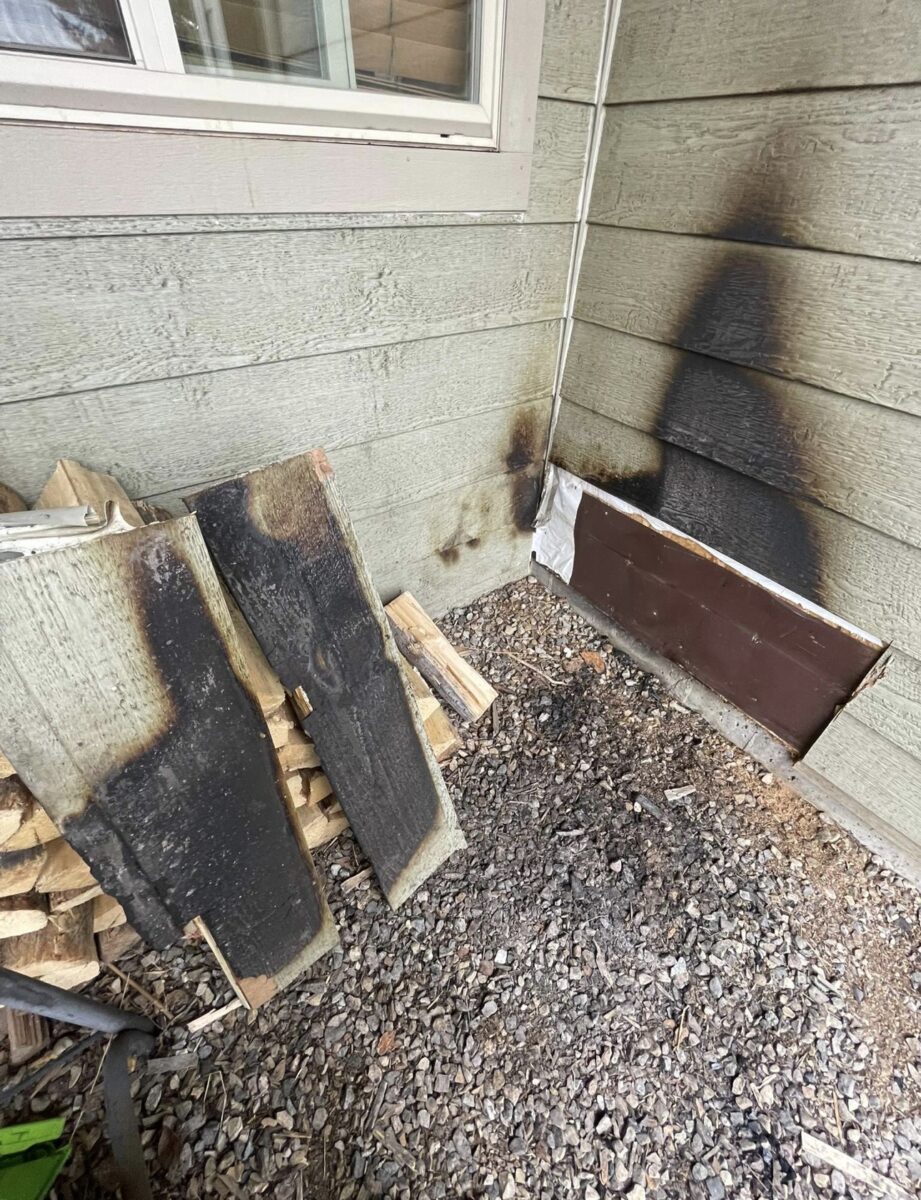
Here’s something most people don’t realize until they deal with a situation like this: the fire itself caused relatively limited damage to the siding. The real scope came from the fire department doing exactly what they’re supposed to do. To confirm there are no hot spots smoldering inside the wall cavity, they pull siding, probe behind it, and work through the area methodically. That thoroughness is non-negotiable — a hidden ember that reignites hours later inside a condo building is a serious disaster. But it does mean the repair area is larger than the visible fire damage suggests.
The First Complication: Discontinued Siding
Once we assessed what needed to be replaced, we ran into the first real problem — the siding profile and color on the building were no longer in production. This is a common situation on older buildings, and it leaves you with a few options: hunt for old stock (unreliable), try to find a close match from a current product line, or select a practical alternative and address the appearance through paint.
We went with LP SmartSide engineered wood siding. It’s a product we trust — it holds paint well, it handles Montana’s freeze-thaw cycles without issue, and it carries a strong manufacturer warranty. The profile we used runs about an inch narrower in exposure than the original siding on the building, which meant the new section wouldn’t blend invisibly on its own. That’s where paint becomes part of the solution, not just the finish.
The Second Complication: Discontinued Corner Flashing
Same situation at the corners. The original corner flashing profile wasn’t available anywhere. We fabricated a solution on-site that matched the geometry closely enough to do the job properly — keeping water out of the corner and giving it a finished appearance. It’s not the kind of detail that shows up in a photo, but it’s exactly the kind of thing that determines whether the repair holds up over the next ten years or becomes a moisture problem.
Getting the Wall Right Before Closing It Up
With the siding off, we had full access to the sheathing and housewrap behind the damaged section. Some of the Tyvek had been torn in the process of removing material during the fire department’s inspection. Rather than patch it and move on, we replaced the housewrap across the full area of new siding. A continuous, intact weather-resistant barrier is the first line of defense against moisture intrusion, and it made no sense to close the wall back up without getting it right.
Paint: Going Beyond the Repair Area
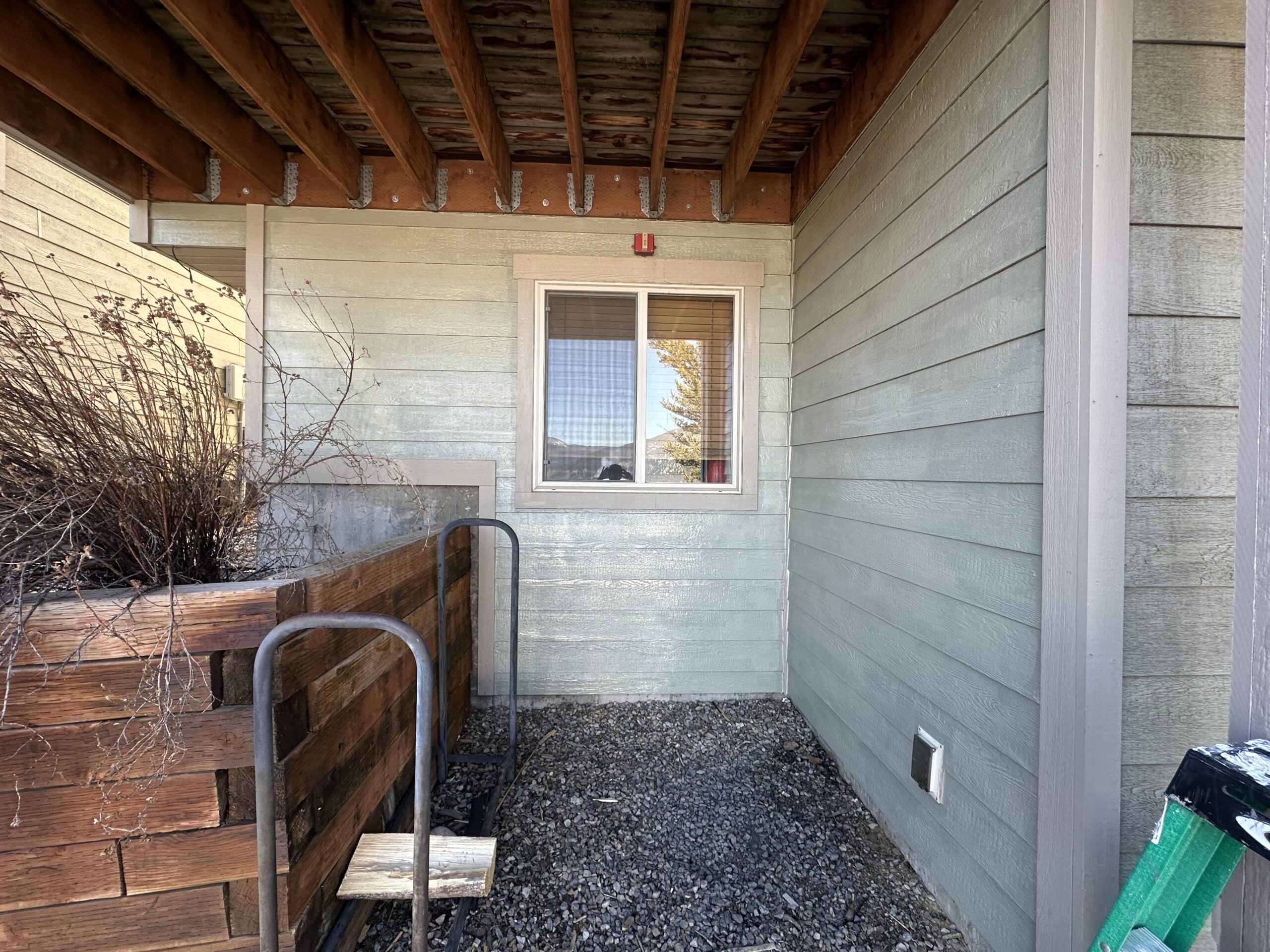
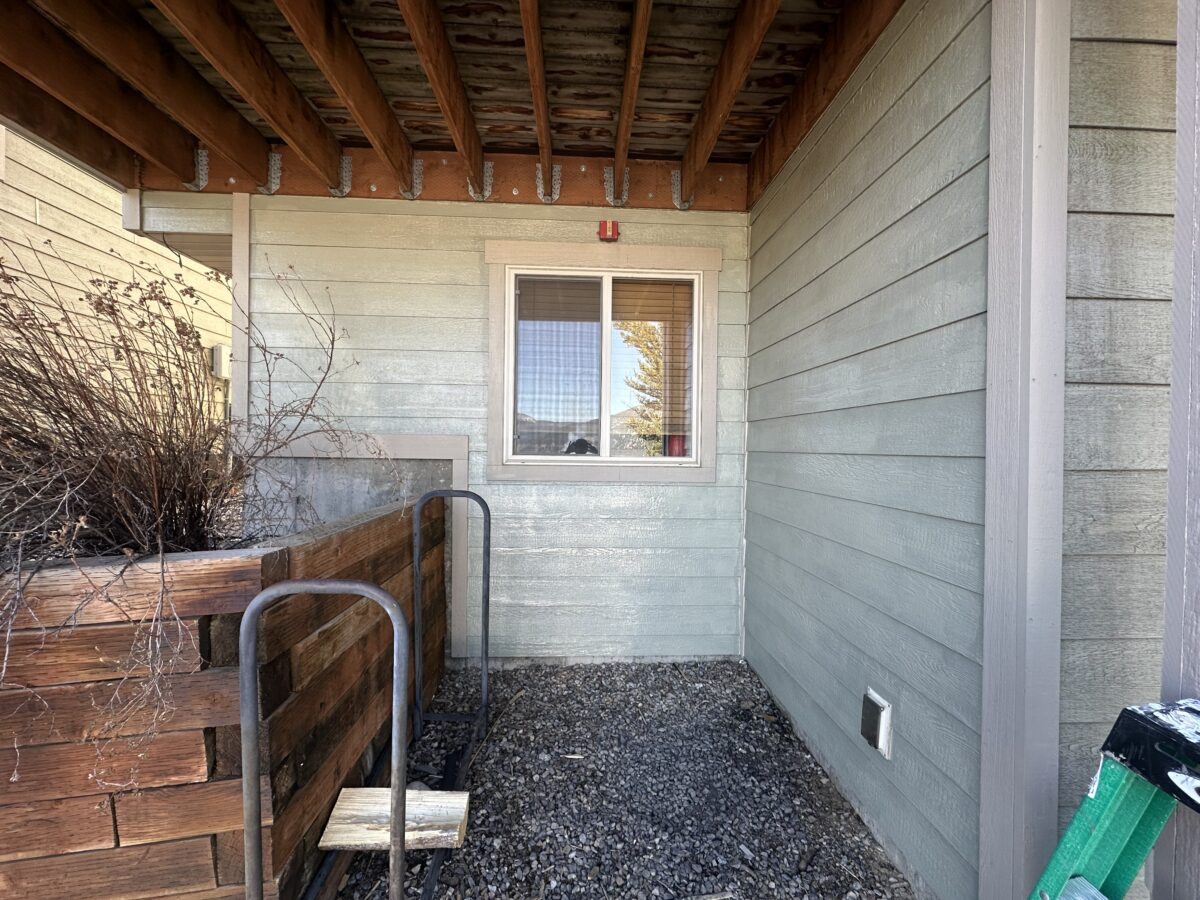
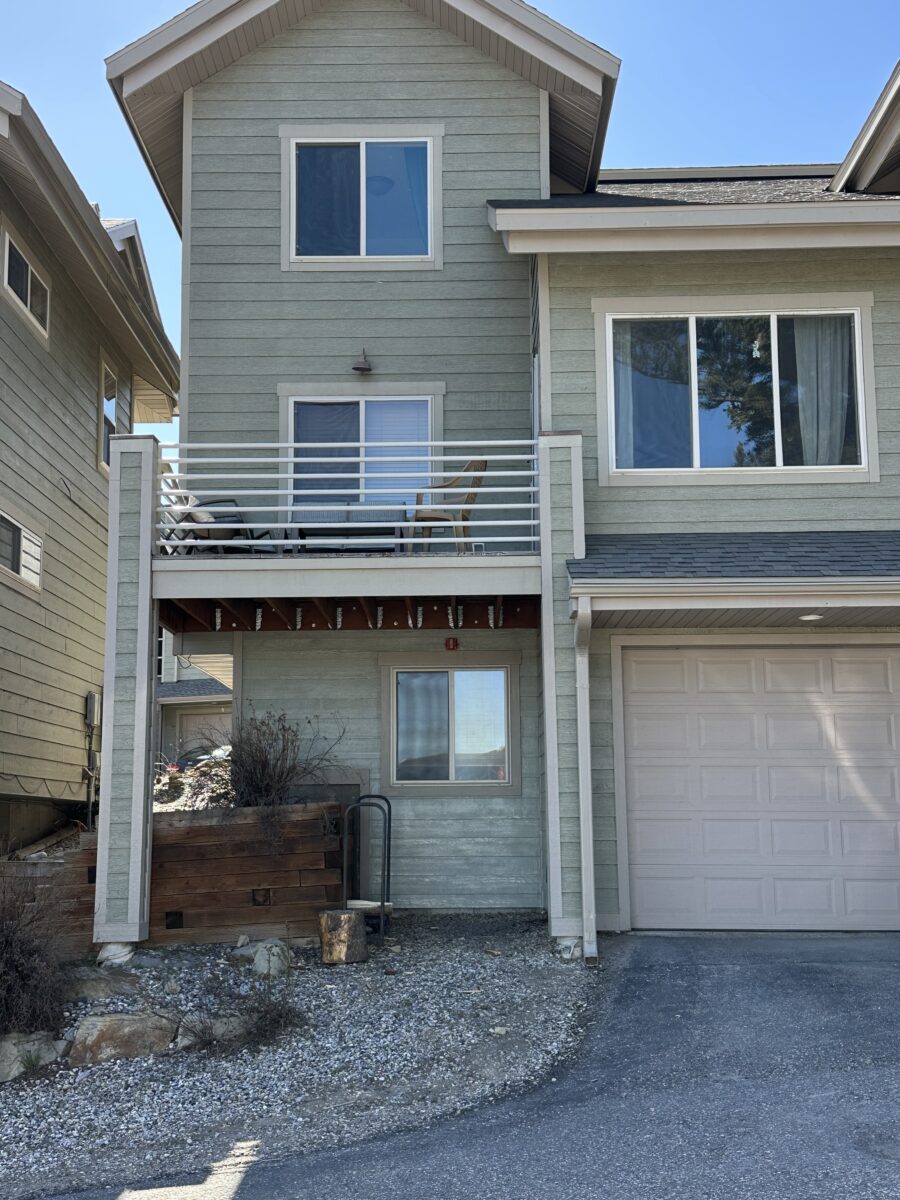
New siding on an existing building almost always requires paint to blend — especially when the profile is different from the original and the existing surfaces have years of weathering on them. We primed and painted the repaired section, then extended the paint to cover the full area under the porch rather than stopping at the edge of the repair.
Taking the paint to a logical stopping point — the complete underside of the porch — gave us a clean, consistent result that doesn’t draw the eye to the repair. A spot-painted section in the middle of a larger surface would have stood out regardless of how careful the color match was. Painting the full area eliminated that problem.
What This Job Required
This wasn’t a straightforward siding replacement. It involved working through discontinued materials, fabricating flashing on-site, replacing housewrap, and expanding the paint scope to make the repair disappear visually. None of that is unusual for work on existing buildings in Montana — older properties regularly have materials that have cycled out of production, and field problem-solving is part of the job.
If you manage properties in Big Sky or the Gallatin Valley and are dealing with fire damage, storm damage, or siding that needs repair or replacement, take a look at our exterior home services or our Big Sky handyman services page for more on how we work up the canyon.
Contact Montana Home Services — Bozeman and Big Sky, MT.